BULGARIA MOVES TO LOWER RECYCLING FEES, POSSIBLE DROP IN APPLIANCE PRICES
The Ministry of Environment and Water is proposing a significant overhaul of the product (eco) fee applied to electrical and electronic equipment in Bulgaria, a change that is expected to reduce costs for consumers and potentially lower retail prices for household appliances.
The draft amendments, which are open for public consultation until May 20, 2026, target the system under which fees are charged for products such as refrigerators, washing machines, irons, televisions, computers and other electronics that eventually become waste.
Under the current framework, the fee is paid when such goods are placed on the Bulgarian market, unless companies are part of a collective recycling system or can individually prove compliance with waste management obligations under national law.
According to the explanatory memorandum, the existing system has led to distortions in the market, as the product fee is being used as a reference point for setting the charges of recovery organizations. This has resulted in what the ministry describes as artificially inflated costs in the sector.
Industry analysis cited in the proposal, including findings from APPLIA Bulgaria, indicates that Bulgaria's product fees are significantly higher than in other EU countries, in some cases between four and nine times above the average levels. Licensing costs are also reported to be two to six times higher compared with waste management systems in nine EU member states.
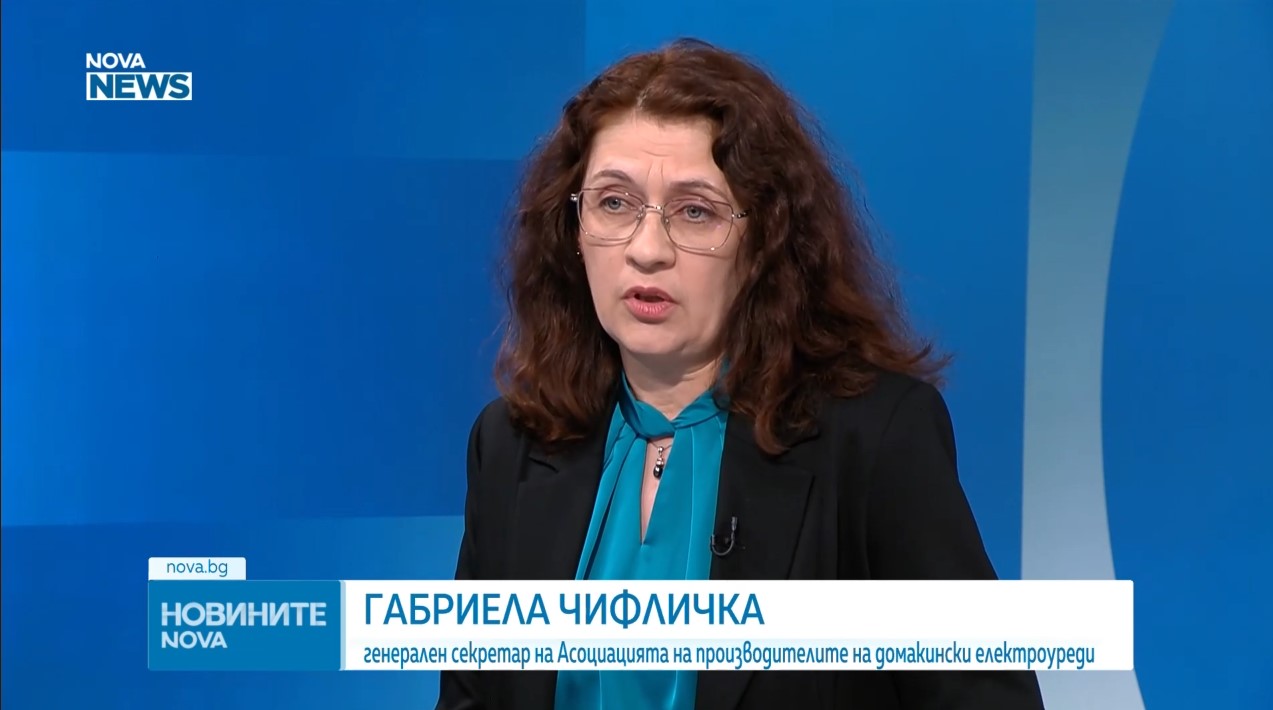
APPLIA Bulgaria secretary general Gabriela Chiflicka previously highlighted the differences using concrete examples. She noted that a 70-kilogram refrigerator carries a fee of around 33 euros in Bulgaria, compared to 14 euros in Greece. For a 65-kilogram washing machine, the fee is 18 euros locally, versus 13 euros in Romania, 8 euros in Greece and just 0.52 euros in Austria. A 5-kilogram vacuum cleaner carries a fee of about 5 euros in Bulgaria, compared with 1 euro in Romania and Greece.
Experts cited in the analysis argue that these additional costs are directly reflected in retail prices, with estimates suggesting that they have contributed to an overall price increase for electrical appliances of around 10 to 15 percent.
The proposed reform does not set a fixed percentage reduction. Instead, it aims to change the methodology for calculating the fee by removing its current role as a benchmark for pricing within recovery organizations. The intention is to align costs more closely with actual market conditions and operational expenses.
The Ministry argues that this adjustment will allow fees to be determined based on real costs, system efficiency and circular economy principles, rather than indirectly influenced pricing structures.
According to sector assessments, the expected outcome of the reform could be a reduction of product fees by approximately 30 to 70 percent across different categories of electrical and electronic goods.