ОN EU TAXONOMY - REVIEW OF CLIMATE AND ENVIRONMENTAL DELEGATED ACTS
The Bulgarian Industrial Association - Union of the Bulgarian Business (BIA) welcomes the European Commission’s initiative to review the EU Taxonomy Climate Delegated Act. This process provides an important opportunity to address the practical challenges faced by businesses in applying the climate-related criteria and to improve their clarity, usability, and proportionality. For Bulgarian industry, the way they are defined and applied is not merely a regulatory issue. This is influencing investment decisions, access to financing, and overall competitiveness.
Through the comments below, Bulgarian Industrial Association aims to contribute to the Commission’s ongoing call for evidence.
Comments and Suggestions
1) Avoiding blanket sectoral exclusions and promoting a performance-based transition
The European regulatory framework should incentivise transformation and innovation rather than discourage it through de facto sectoral exclusions. Setting overly restrictive technical screening criteria in the Climate Delegated Act risks artificially excluding entire industries from accessing sustainable and transitional finance.
BIA firmly believes that sustainability is a transition process requiring continuous improvement. Therefore, the Taxonomy should allow companies across all sectors to improve their sustainability performance over time. Excluding sectors without assessing individual company performance or technological progress undermines the core objective of supporting the transition towards more sustainable production models. All legally operating sectors should remain eligible for transitional classifications, subject to performance-based, company-level assessments, ensuring they have the capital required to finance their decarbonisation efforts.
2) Ensuring a realistic approach to transition activities, including coal-related assets
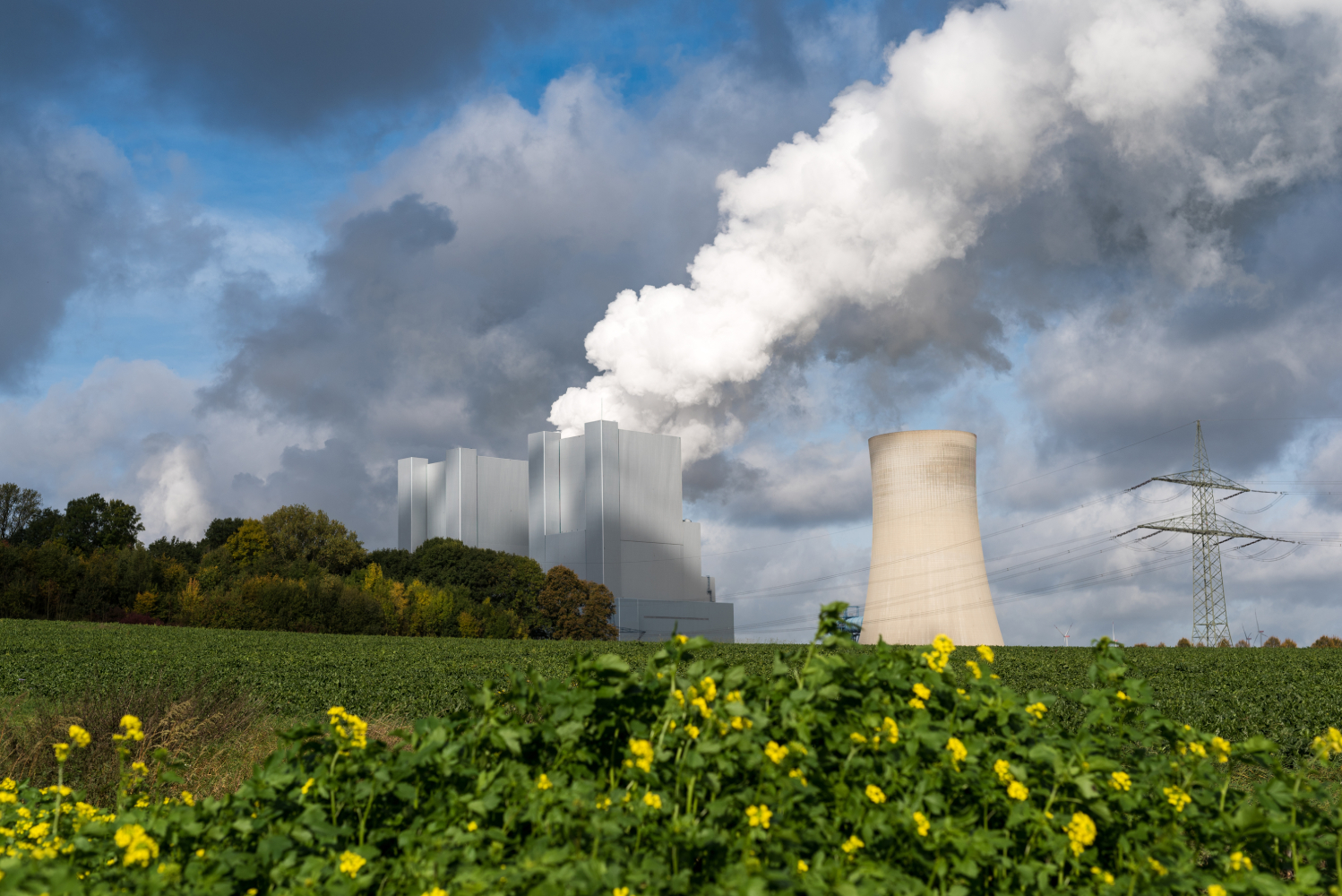
A realistic transition framework needs to reflect how energy systems actually function today, including the continued role of coal-related activities in ensuring security of supply and system stability in countries like Bulgaria. Access to transitional financing is not just a policy choice - it is a practical necessity to enable a gradual and manageable transformation of carbon-intensive sectors. Activities involving coal-based energy generation should therefore remain eligible for transitional financing, as part of a clear and credible decarbonisation pathway. Access to financing is what allows companies to invest in modernisation, reduce emissions, and adapt existing capacities step by step. Without it, the transition risks becoming abrupt and economically disruptive, rather than structured and predictable.
For the Bulgarian industry, coal provides stable base-load electricity, especially in a context of high energy price volatility and limited alternatives. Removing coal-based power generation and related activities from transitional financing at this stage would increase pressure on energy prices and create uncertainty for both businesses and the wider economy. For companies, particularly in energy-intensive sectors, this directly affects costs, investment decisions, and competitiveness. In an already challenging environment, restricting access to financing would limit their ability to invest in cleaner technologies and reduce emissions. A successful transition must be both environmentally and economically viable. Supporting the transformation of existing assets, rather than cutting off financing too early, is essential to ensure that decarbonisation goes hand in hand with energy security and industrial competitiveness.
3) Safeguarding EU industrial competitiveness and strategic autonomy
The proposed criteria must be evaluated against the current geopolitical and economic realities. As highlighted in Mario Draghi’s report on EU competitiveness, European industry faces significant challenges, including rising energy costs and increasing global competition.
The Climate Delegated Act risks unnecessarily constraining EU industry if it imposes financial constraints on key strategic sectors. In a global context where major economies (such as the US and China) are scaling up investments in their strategic industries without similar regulatory bottlenecks, introducing overly rigid criteria in the EU Taxonomy risks placing European, including Bulgarian, companies at a structural disadvantage. A balanced approach is essential to ensure that the green transition does not compromise the EU's broader economic resilience and strategic autonomy.
4) Maintaining the role of nuclear energy within the taxonomy framework
A balanced and technology-neutral taxonomy framework should fully recognise the role of nuclear energy as a stable and low-carbon source of electricity. In Bulgaria, nuclear energy is an important pillar of the energy system. It provides reliable base-load capacity and contributes to both energy security and price stability.
At a time of increasing energy costs and growing pressure on industry, maintaining nuclear energy within the taxonomy is essential to ensure predictable investment conditions and to support the long-term development of nuclear capacities. It also plays a role in enabling the decarbonisation of energy-intensive sectors, which depend on stable and affordable electricity. Any limitation or exclusion of nuclear energy from the taxonomy would send negative signals to investors, increase uncertainty, and put additional pressure on energy prices. This would have direct consequences for industrial competitiveness and could undermine the overall transition process.
Conclusion
The Bulgarian Industrial Association, representing over 130 sectoral organisations and more than 22,000 companies, remains committed to supporting a European regulatory framework that enables a realistic, predictable, and economically viable transition to climate neutrality. The ongoing review of the EU Taxonomy Climate Delegated Act is an opportunity to ensure that sustainability criteria are clear, proportionate, and aligned with the practical realities faced by industry. It is essential that the revised framework supports investment, maintains energy security, and preserves the competitiveness of European businesses. This requires a framework that avoids preemptive sectoral exclusions and guarantees that all parts of the economy have access to the transition finance needed for their transformation. By ensuring a balanced and technology-neutral approach, including the continued recognition of transitional activities and nuclear energy, the European Union can create the necessary conditions for a successful and inclusive industrial transition.