The EC proposes a single regime for company registration in the EU
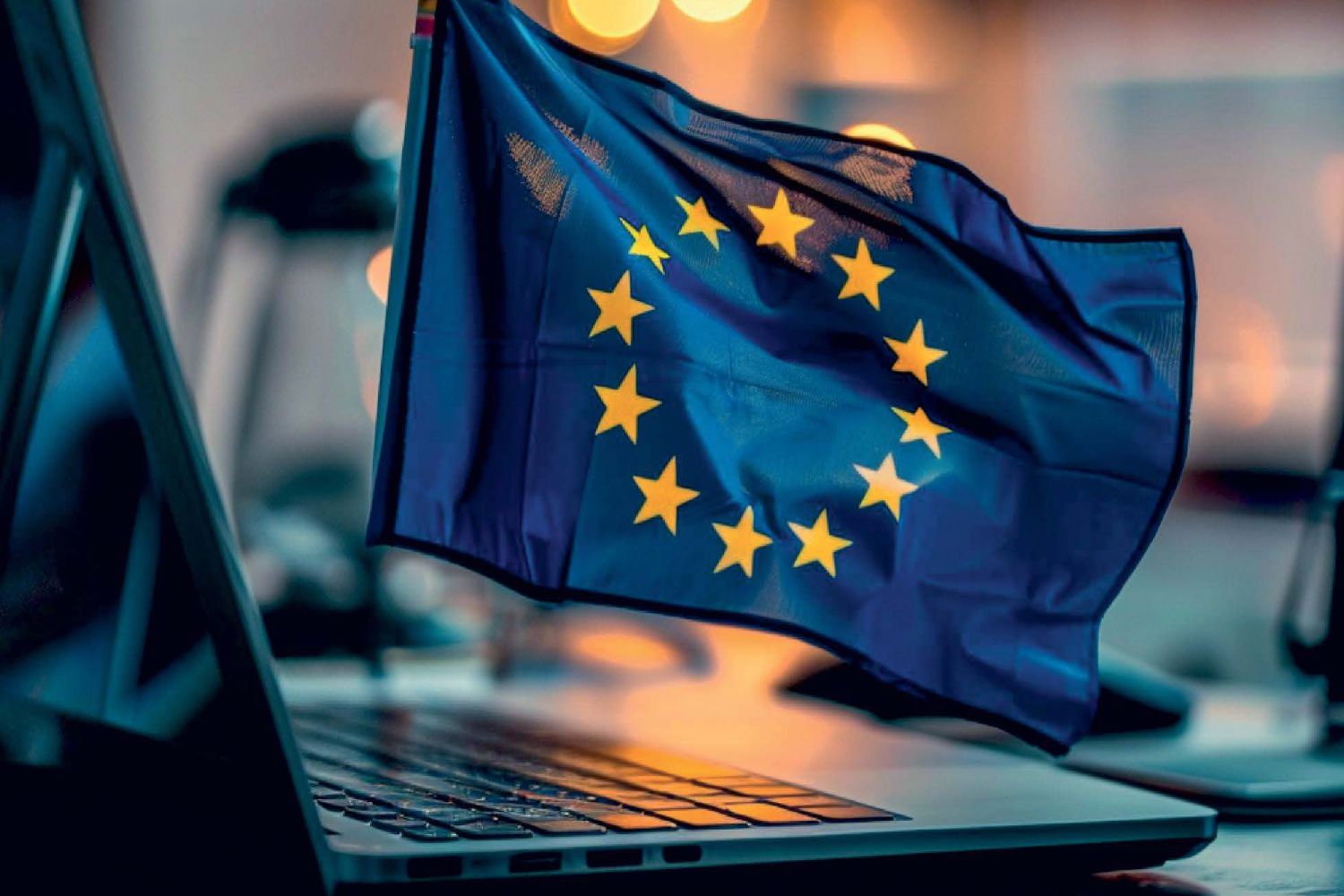
On March 19, 2026, the European Commission presented its proposal for EU Inc. – a new single set of rules for registering companies in the European Union, which would replace existing national company registration regulations in all countries in the bloc.
EU Inc. (the so-called 28th regime ) is an optional, digital-by-default European corporate framework. It will make it easier for businesses to start, operate and grow across the EU, providing an incentive to stay in Europe and encouraging businesses that have located elsewhere to return to the Old Continent.
Today, for too many entrepreneurs and innovative companies, expanding beyond the EU means navigating a fragmented corporate legal environment. European innovative companies face 27 national legal systems and over 60 company legal forms. This complexity can delay the creation of a company by weeks or even months, slowing growth, increasing costs and discouraging scale.
EU Inc. is at the core of the Commission's response to these challenges: by introducing the new regulation it will provide a single harmonised set of corporate rules that companies can opt into, rather than going through multiple national regimes, unlocking the true potential of the Single Market.
Given its key importance for the EU's prosperity, the Commission calls on the European Parliament and the Council to reach an agreement on the EU Inc. proposal by the end of 2026.
The main features of EU Inc. include:
- Faster registration: Entrepreneurs will be able to establish a company within 48 hours, for less than €100 and with no minimum share capital requirements.
- Simpler procedures : EU Inc. companies will only need to submit their corporate information once, via an EU-wide interface that connects national business registers. In a second step, the Commission will create a new central EU register . EU Inc. companies will receive their tax identification and VAT numbers without having to re-submit documents.
- Fully digital operations : Corporate processes will be digital by default throughout the company's lifecycle.
- Simplified insolvency procedures : EU Inc. companies will have access to fully digital liquidation procedures . Innovative startups will have access to simplified insolvency procedures to make it easier to wind down their business. This allows founders to try out innovative ideas and start over if necessary.
- Better conditions for attracting investment : The proposal will provide digital procedures for financing operations and simplify the transfer of shares. There will be no mandatory involvement of intermediaries in the transfer of shares. The proposal will also allow Member States to grant EU Inc. companies access to the stock exchange.
- Better ways to attract talent: EU Inc. companies will be able to set up stock option plans for employees across the EU. The stock option will only be taxed on the income generated after it is sold . This is key factor to improve attractiveness, especially for innovative startups.
- Full access to the Single Market: EU Inc. companies will have the freedom to choose the Member State in which to register.
- Strong safeguards against abuse: National labour and social laws are not affected by the proposal. They will apply to EU Inc. in the same way as they apply to any other business under national corporate law.
- Share flexibility: EU Inc. companies will have the flexibility to create different classes of shares with different economic or voting rights. This could, for example, help founders protect their businesses from hostile takeovers.
In addition, the Commission proposes that Member States consider establishing specialised judicial chambers or courts with the power to hear disputes under EU Inc. corporate law, allowing for an effective, efficient and uniform application of EU Inc. rules.
The EU Inc. proposal is about to be discussed by the European Parliament and the Council, with the Commission setting itself the ambitious goal of reaching an agreement by the end of 2026.